Rob Vetter is technical director and managing partner with the Ives Training Group, in Blaine, WA, USA, a leader in North American mobile equipment training systems since 1981.
I had the opportunity to spend some time in the Caribbean recently and, being steeped in matters of safety as I am, made a few safety-related observations that left me questioning what - or more specifically why - safety where I live and work seems to reflect a completely different philosophy to the one there.
Even a casual observer of life on "the islands" could not help noticing issues like trucks driving on public roads carrying unsecured loads (both material and human), roadwork being performed without traffic management or even cones, the absence of even the most basic PPE (open-toed sandals while operating a jack-hammer!), workers at height with no fall protection/prevention and, of course, the appalling condition of the tools and equipment used.
I wasn't there on business, so I didn't spend too much time enquiring and/or researching but the few locals I talked to displayed the same laid-back attitude: "It's all good man, don't worry."
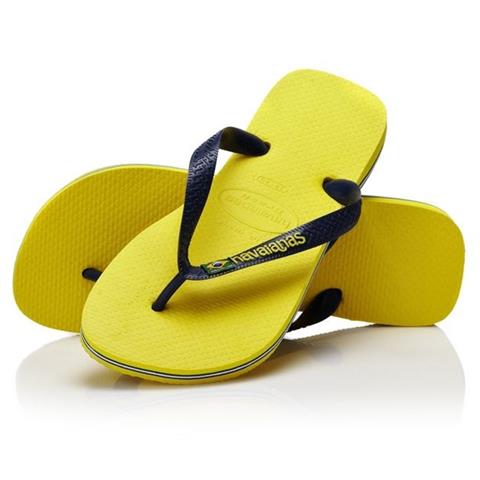 Safety attire? Possible not.
PHOTO: HAVAIANAS |
Naturally, these types of work habits are unacceptable, regardless of their geographic location, but what really stunned me was their complete and utter apathy toward safety. Does nobody get hurt or killed here? What are the legal liabilities of employers? Why does nobody - workers and (presumably) employers alike - seem to give a flip about safety?
It led me to wonder about why we of "the continent" care and the more I thought about it, the more I came to realise that it's because we have to. And by 'we', I mean employers. Our OHS regulations, codes and standards make it impossible for employers to claim ignorance of safety rules and even if they did, there are usually negative consequences of not knowing.
But is this all that makes our ways so different than theirs? Is holding the feet of employers to the fire and slapping them with fines when they screw up really better? I'll be the first to say that things from an employer/employee compliance standpoint are light years ahead of where they were when I started in the safety arena back in the '80s. But surely it's not merely the threat of financial pain that drove this trend, is it?
No doubt, there are plenty of ethical, progressive employers out there doing the right thing simply because it is the right thing. But to be perfectly blunt, many of the employers I am in contact with even today only put an effort into being safe because they feel forced to. Furthermore, most of the employees I train seem to share that same philosophy - while their attitude toward safety is perhaps slightly better than that of their island brethren.
What do you think? Are we doing the right things for the wrong reasons and if we are, as long as the graph is headed in the right direction and we are getting the results we want, should we care?
I think we should. If all that is preventing us from jack-hammering while wearing flip-flops is fear of getting in regulatory/financial trouble over it, then there is a serious flaw in our collective philosophy. That being said, even though the ends don't always justify the means, I'll take the 'continental' way over the 'island' way every time - even though what separates them may be a thin green line (Note to reader: money is green in my part of the world.). I just think we need to start moving our safety philosophy toward a more subjective motivational base lest we are left with a paradise lost.